Premium Excavation Contractor Support for Your Following Infrastructure Project
Finding an suitable site preparation expert is indispensable for all building projects. These professionals are instrumental in ground preparation, delivering a dependable base and sufficient water management. Their grasp of diverse ground materials and safety guidelines can profoundly affect successful project completion. Nevertheless, deciding how to hire the right professional entails far more than just certifications. The intricacies of their operations and state-of-the-art approaches require comprehensive exploration to secure the best outcomes.
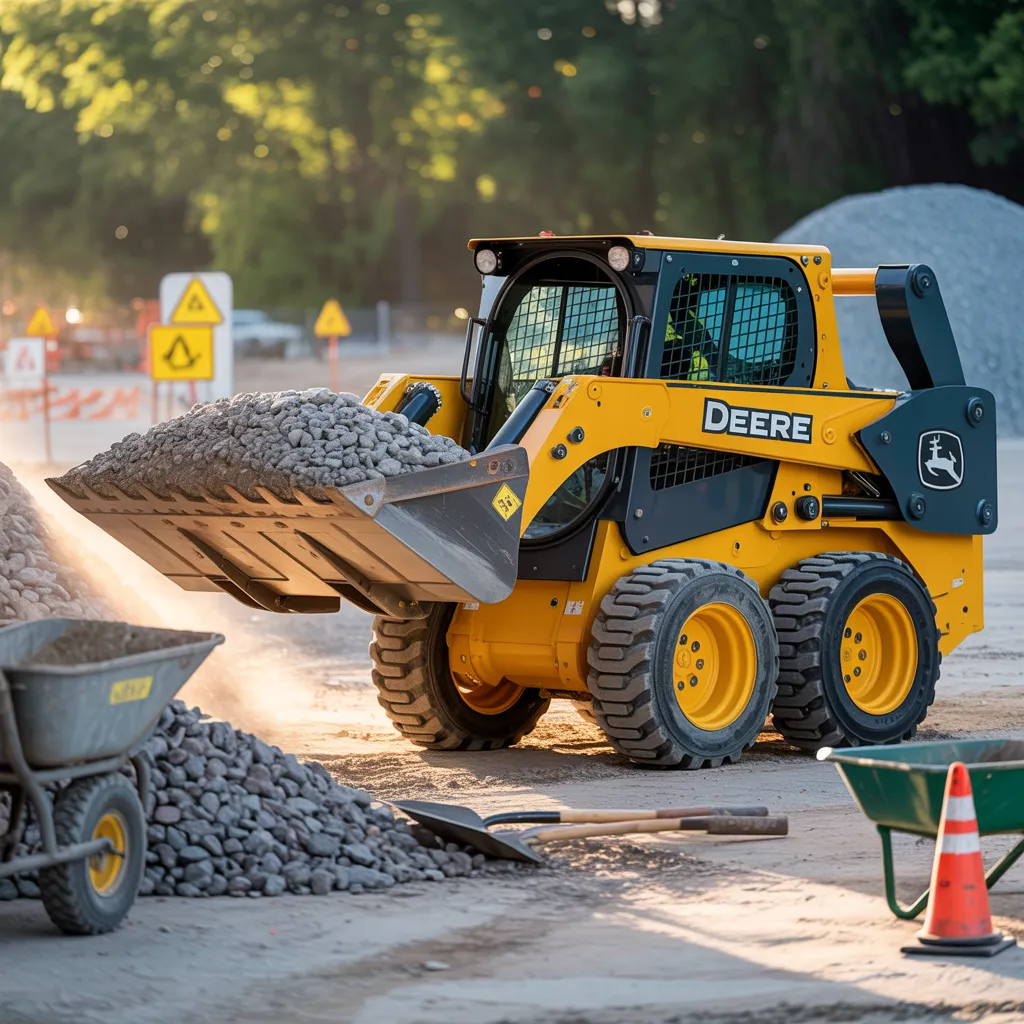
Grasping the Purpose of an Excavation Expert
An excavation contractor serves as a crucial element in the construction process, acting as the basis for any building project. They are responsible for preparing the site, which involves removing obstructions from the land, grading the terrain, and digging trenches for utilities and foundations. This contractor must possess a thorough understanding of ground composition, site drainage, and local regulations to guarantee compliance and safety. Their expertise includes evaluating risks and putting strategies in place to reduce possible dangers during excavation. Additionally, they work alongside other construction professionals, ensuring that the excavation integrates smoothly with the overall project timeline. The excavation contractor also manages heavy machinery and labor forces, optimizing efficiency while maintaining budget limits. By establishing the foundation for subsequent construction phases, they play an essential role in affecting the project's outcome, making their contributions invaluable to the entire construction process.
Primary Solutions Offered by Excavation Contractors
Excavation contractors supply a extensive array of critical solutions that are necessary for the successful execution of construction projects. These solutions typically involve site preparation, where contractors clear the land of refuse, vegetation, and existing structures to establish a suitable foundation. Grading is another major solution, ensuring the land is graded to facilitate proper drainage and support for the structure.
Additionally, excavation contractors are accountable for digging trenches for utilities, such as water, gas, and electricity, which are crucial for establishing structural systems. They also perform foundation excavation, removing soil and rock to produce a stable base for new structures. Contractors may offer distinctive expertise like building deconstruction, where they safely dismantle existing buildings, and ground conditioning to strengthen ground conditions. These key services collectively confirm the groundwork is appropriately managed, laying the foundation for a successful construction project.
Importance of Safety in Excavation Work
Construction projects by nature present different risks, specifically in excavation work with heavy machinery and deep digging. Safety is paramount in this field to safeguard workers, nearby residents, and the integrity of the project itself. Excavation sites present numerous hazards like cave-ins, equipment accidents, and exposure to underground utilities. Therefore, enforcing strict safety protocols is vital.
Excavation contractors must focus on training and compliance with safety regulations, ensuring that all personnel are equipped with the necessary abilities and knowledge to recognize and reduce risks. Regular safety audits and equipment inspections further enhance site safety. Additionally, utilizing proper signage and barriers can help prevent unauthorized access and accidents. Ultimately, a strong safety culture not only safeguards lives but also promotes project efficiency and reduces costs associated with accidents and delays. A commitment to safety reflects a contractor's professionalism and dedication to delivering successful outcomes in excavation work.
Advanced Tools in Construction Digging Tasks
With the ongoing progress of technology, the excavation industry is experiencing important developments that boost efficiency and accuracy in operations. Modern machinery outfitted with GPS and laser-directed systems permits accurate grading and depth control, lowering the chances of human error. Drones are more frequently employed for site surveys, supplying real-time data and aerial images that enhance project planning and monitoring. Moreover, 3D modeling software allows contractors to visualize project layouts, streamlining excavation processes and cutting down waste.
Automation is creating significant changes, with robotic excavators and advanced telematics systems strengthening machine performance and servicing schedules. These technologies not only accelerate workflows but also elevate safety by observing site conditions and apparatus performance. By deploying such modern tools, excavation contractors can finish assignments more efficiently, securing quick completion while maintaining high-quality levels of quality and safety. This tech progression embodies a critical turning point in how excavation work is managed today.
Determining the Perfect Excavation Company
How can one guarantee the selection of a qualified excavation contractor? The process begins with thorough inquiry. Prospective customers should solicit accolades from trade authorities and review online testimonials. Inspecting a contractor's experience in like projects is critical, as it reveals their skill to overcome specific site challenges.
Next, verifying licenses and insurance coverage related article guarantees compliance with local regulations and shields against liabilities. A skilled contractor should also provide a comprehensive collection of past work, showcasing their expertise and quality standards.
In addition, it is critical to evaluate the contractor's equipment and technology, because advanced equipment can markedly increase efficiency and safety.
In conclusion, open dialogue is vital; a contractor should be prepared to cover project timelines, potential issues, and strategies. By implementing these steps, clients can assuredly select an excavation contractor who corresponds with their project requirements and goals.
Budget Drivers in Excavation Activities
Knowing the pricing variables in excavation services is essential for efficient project budgeting. Key elements include the size of the project, which directly influences the volume of material to be moved, as well as site accessibility, which may affect equipment requirements and labor efficiency. In addition, equipment and labor costs show considerable variation based on the specific demands of the excavation task at hand.
Project Magnitude Influence
The size of a construction project greatly determines the expense of excavation services, as larger sites commonly require more thorough planning and support. Excavation amount increases with project size, resulting in higher labor, equipment, and material costs. Moreover, bigger projects may require more state-of-the-art technology and specialized machinery, thus escalating expenses. The challenge of the terrain also has a crucial role; larger areas may present varied geological conditions that demand customized excavation methods. Additionally, large projects often involve longer timelines, resulting in increased overhead costs. All these considerations combined highlight the importance of accurately evaluating project size to properly budget for excavation services, ensuring that contractors can complete the needed work efficiently.
Site Usability Considerations
Site approachability markedly impacts the cost of excavation services, as it determines the simplicity with which machinery and materials can reach the construction area. If a site is challenging to access due to tight roads, sharp grades, or urban congestion, additional steps may be needed. These may include custom vehicles, thorough preparation, or even street changes, all of which can increase overall costs. Moreover, limited entry can extend project schedules, leading to higher workforce and equipment leasing costs. Conversely, a site with straightforward access can enable efficient operations, cutting costs. Ultimately, recognizing site approachability is vital for precise budgeting and preparation, as it serves as a pivotal role in establishing the overall viability and expense of earthmoving undertakings.
Machinery and Workforce Costs
While excavation projects require detailed planning and execution, equipment and labor expenses emerge as vital factors that can significantly influence overall expenses. The type of machinery utilized, such as excavators, bulldozers, and backhoes, noticeably affects pricing. Equipment rental or purchase costs, combined with maintenance and fuel expenses, can accumulate rapidly. Additionally, the expertise and number of laborers needed for the project play a major role in determining labor costs. Skilled operators command higher wages, reflecting their specialized training. Moreover, project duration can increase costs, as longer timelines often demand additional labor hours and equipment rental days. Therefore, a thorough understanding of these cost factors is essential for accurately budgeting excavation services in construction projects.
Project Reviews: Successful Excavation Projects
Numerous construction digging initiatives have shown the essential role of skilled contractors in ensuring successful construction outcomes. One notable case centered on a commercial office complex in an urban area, where building teams dealt with difficult soil conditions. Through creative solutions, featuring soil stabilization and adequate drainage infrastructure, the initiative was accomplished on deadline, reducing disturbances to nearby commercial entities.
An additional case is a housing project where the contractor's experience in ground preparation supported effective water management. This not only elevated the property's value but also assured adherence with regional regulations.
Moreover, a large-scale infrastructure project illustrated the importance of teamwork between excavation teams and utility companies. By using state-of-the-art equipment for underground mapping, the contractors prevented expensive interruptions and protected the safety of existing utilities.
These case studies highlight that experienced excavation contractors are crucial for navigating complexities, thus making significant contributions to the overall success of construction endeavors.
Often Asked Questions
What Competencies Should I Hunt for in an Excavation Contractor?
When choosing an excavation contractor, one should consider qualifications such as relevant licenses, comprehensive insurance, track record on equivalent projects, safety certifications, equipment quality, and strong references to guarantee consistency and skilled performance in their work.
What is the typical duration for an excavation project?
An excavation undertaking typically requires anywhere from a few days to several weeks, reliant on factors like project size, site conditions, and complexity. Each project is distinctive, affecting the overall timeline markedly.
Which Types of Equipment Do Excavation Companies Use?
Excavation contractors frequently rely on bulldozers, backhoes, excavators, and dump trucks. These machines accomplish various tasks, including digging, grading, and transporting materials, ensuring efficient project completion while adhering to safety standards and environmental regulations.
Excavation Work in Winter: Can It Be Performed?
Excavation work is able to be carried out in winter, but it poses problems such as frozen ground and challenging weather circumstances. Project teams often employ specialized equipment and strategies to manage these difficulties and maintain productivity during winter timeframes.
Which Authorizations Are Required for Grading Initiatives?
Excavation activities frequently call for permits such as land disturbance permits, excavation permits, and conceivably environmental permits. Local ordinances fluctuate; accordingly, it's imperative for contractors to speak with local agencies to guarantee observance with all necessary requirements.