Land Clearing Services: Preparing Your Property for New Possibilities
Land clearing services are vital for transforming overgrown or cluttered properties into viable spaces for development. These experts carefully eliminate barriers, guaranteeing a solid groundwork for upcoming projects. With a comprehensive grasp of site inspections and environmental requirements, they strengthen both safety and accessibility. However, choosing the right service can be complex, and understanding the process is essential. What should property owners consider before starting on this journey?
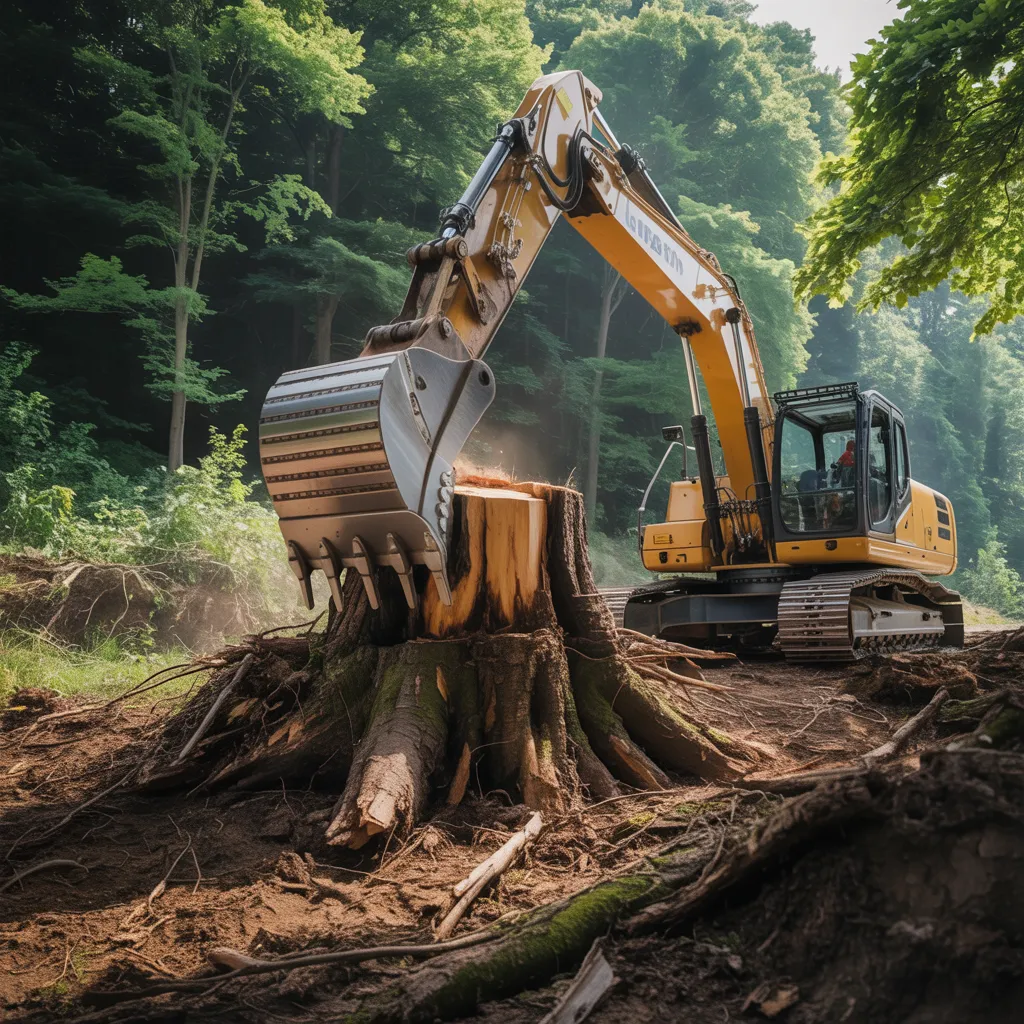
How Land Clearing Transforms Your Property Development Journey
Land clearing begins the process of transforming a property development project by readying the site for upcoming construction. This essential first step entails clearing obstacles such as trees, shrubs, and debris, establishing a blank canvas for builders and architects. By forming a clean and level foundation, land clearing boosts overall accessibility, facilitating the smooth flow of machinery and materials.
In addition, it establishes the framework for efficient planning and design, as designers can better understand the orientation and layout of constructions more effectively. The process also helps in recognizing possible environmental issues, such as issues with drainage or soil composition, allowing for forward-thinking solutions.
Additionally, land clearing can enhance safety by decreasing threats associated with excessive plant growth and hazardous ground conditions. At its core, this transformative step not only simplifies construction but also encourages a more organized and focused approach to land development, opening the door for long-term growth.
Key Steps in the Land Clearing Process
Preparing a site encompasses multiple critical steps that secure an effective and streamlined process. At the outset, a comprehensive site evaluation is performed to pinpoint impediments like trees, rocks, and vegetation. This inspection shapes the planning phase, where removal methods are established, accounting for ecological requirements and anticipated consequences.
Additionally, property owners are often required to secure the appropriate permits, securing compliance with local laws. Once cleared to proceed, large machinery, such as bulldozers and excavators, is deployed to eliminate vegetation and unwanted debris. Throughout this stage, close attention is paid to limiting soil disturbance and preserving the integrity of adjacent areas.
Following the removal, the site receives surface grading to achieve a uniform foundation, setting up it for subsequent landscaping or construction. Finally, remnants is disposed of carefully, typically employing recycling or mulching, rendering the land ready for future development. All steps are vital to ensure a seamless land clearing operation.
How to Pick the Best Land Clearing Company for You
Choosing the best land clearing service provider necessitates careful assessment to guarantee the project meets both expectations and compliance requirements. First, potential prospects should copyrightine the contractor's experience and knowledge in handling similar jobs. A well-established firm with a demonstrated history of success is often more trustworthy.
Next, it is crucial to verify that the company carries the necessary permits and insurance, explore now protecting both the homeowner and the site while the clearing is underway. In addition, copyrightining client reviews and testimonials can give useful details into the contractor's service quality and reputation.
Cost assessments are also crucial, as they should be open and thorough, detailing all anticipated expenditures. Customers should request several bids to verify they are being offered reasonable costs. Finally, effective communication is essential; a responsive company will address questions and concerns promptly, encouraging a cooperative and supportive dynamic. These factors collectively aid in selecting the best land clearing company to meet specific needs.
Green Methods in Land Clearing
Adopting environmentally responsible approaches in land clearing is vital for limiting damage to the environment and fostering environmental harmony. Organizations focused on sustainable practices employ methods that prevent soil displacement, maintain local plant ecosystems, and protect local wildlife habitats. Techniques such as selective clearing allow for the removal of only specific trees and shrubs, minimizing impact on the surrounding environment.
Furthermore, utilizing contemporary machines designed for low-impact operations works to limit soil compaction and damage to nearby plant life. After clearing, practices like reforestation and cover crop cultivation can restore the land, boosting biodiversity and the overall health of the soil.
In addition, including recycling practices, such as transforming cleared vegetation into biofuel or organic mulch, promotes a resource-efficient circular economy. By emphasizing these environmentally responsible practices, land clearing companies can ensure that future construction and development is consistent with sustainable environmental practices, cultivating a healthier natural landscape for generations to come.
Steps to Prepare Your Land for Future Projects
Before initiating a construction or landscaping project, adequate land preparation is crucial to ensure a successful result. To begin, it is necessary to evaluate the property's topography, soil condition, and drainage systems. This analysis facilitates educated decisions about fitting plant life, structures, or further developments. Eliminating debris, stones, and unwanted plant growth from the site is critical, as it establishes a fresh foundation for upcoming work.
Next, soil analysis should be undertaken to determine nutrient content and pH levels, allowing for essential modifications to support vigorous plant development. Additionally, clearly marking the project boundaries works to clarify the workflow and helps prevent potential disputes from occurring later.
Finally, developing a well-structured plan that describes the project's timeline, scope, and budget is essential. This structured methodology not only defines precise expectations but also operates as a directional plan for every stakeholder involved, facilitating consistent development toward achieving the envisioned goals.
Why Should You Hire Professionals for Your Land Clearing Needs?
Employing skilled specialists for land clearing ensures access to expert proficiency in machinery operation and upkeep. Their understanding of safety regulations and compliance requirements decreases the risks involved in the clearing process. Consequently, this skilled approach enhances efficiency and promotes a more secure work environment.
Proficiency In Equipment Use
Navigating the complexities of land clearing necessitates professional expertise and advanced equipment, which is where expert services excel. Professionals possess extensive training in operating advanced machinery, such as stump grinders, excavators, and bulldozers. Such knowledge ensures that projects are completed efficiently and effectively, minimizing damage to the surrounding environment. Moreover, experts are well-versed in the latest techniques, enabling them to handle complex terrain and thick overgrowth with skill. Their proficiency not only enhances productivity but also lowers the likelihood of costly errors that can result from misuse of specialized tools. By engaging skilled contractors, property owners can be confident that their land will be thoroughly and professionally cleared, preparing the groundwork for future development or improvements.
Safety And Regulatory Standards
A comprehensive grasp of compliance and safety regulations is critical in land clearing projects, as it guarantees the preservation of both the environment and workers. Experienced land clearing experts are equipped to adhere to established regulations and professional standards, minimizing risks associated with hazardous materials, heavy machinery, and environmental degradation. They implement essential safety measures, including the application of PPE and personal protective gear and carrying out risk assessments prior to beginning work. Following regulatory guidelines not only minimizes possible legal complications but also fosters sustainable land management. Engaging professionals guarantees that all processes are performed safely and efficiently, allowing property owners to concentrate on their goals without the stress of navigating complex regulations and safety concerns.
Common Questions and Answers
What Permits Are Necessary for Land Clearing Projects?
Required permits for land clearing projects generally include environmental permits, grading permits, and possibly local zoning approvals. Rules and regulations differ by location, so working with local authorities confirms compliance with all relevant legal requirements before starting the project.
How Long Does the Land Clearing Process Typically Take?
The land clearing procedure usually spans one to several weeks, influenced by factors such as the total area size, the density of vegetation, and weather conditions. Every project is different, having a considerable impact on the overall timeline.
Does Land Clearing Enhance Property Value?
Absolutely, clearing land can increase the value of a property. By removing obstacles and improving aesthetics, it renders the land more attractive to prospective buyers, thereby increasing marketability and overall worth of the property in the land market.
What Equipment Is Used in Land Clearing?
Land clearing typically employs machinery such as excavators, bulldozers, chainsaws, and chippers. These machines effectively eliminate trees, brush, and debris, ensuring the land is prepared for agricultural activities or future development.
Are There Risks Associated With DIY Land Clearing?
Yes, there are risks associated with DIY land clearing such as injuries caused by heavy machinery, damage to your property, and harm to the surrounding environment. Additionally, improper techniques can lead to legal issues regarding permits and regulations, complicating the process further.